















Early bird fees until April 20, 2026
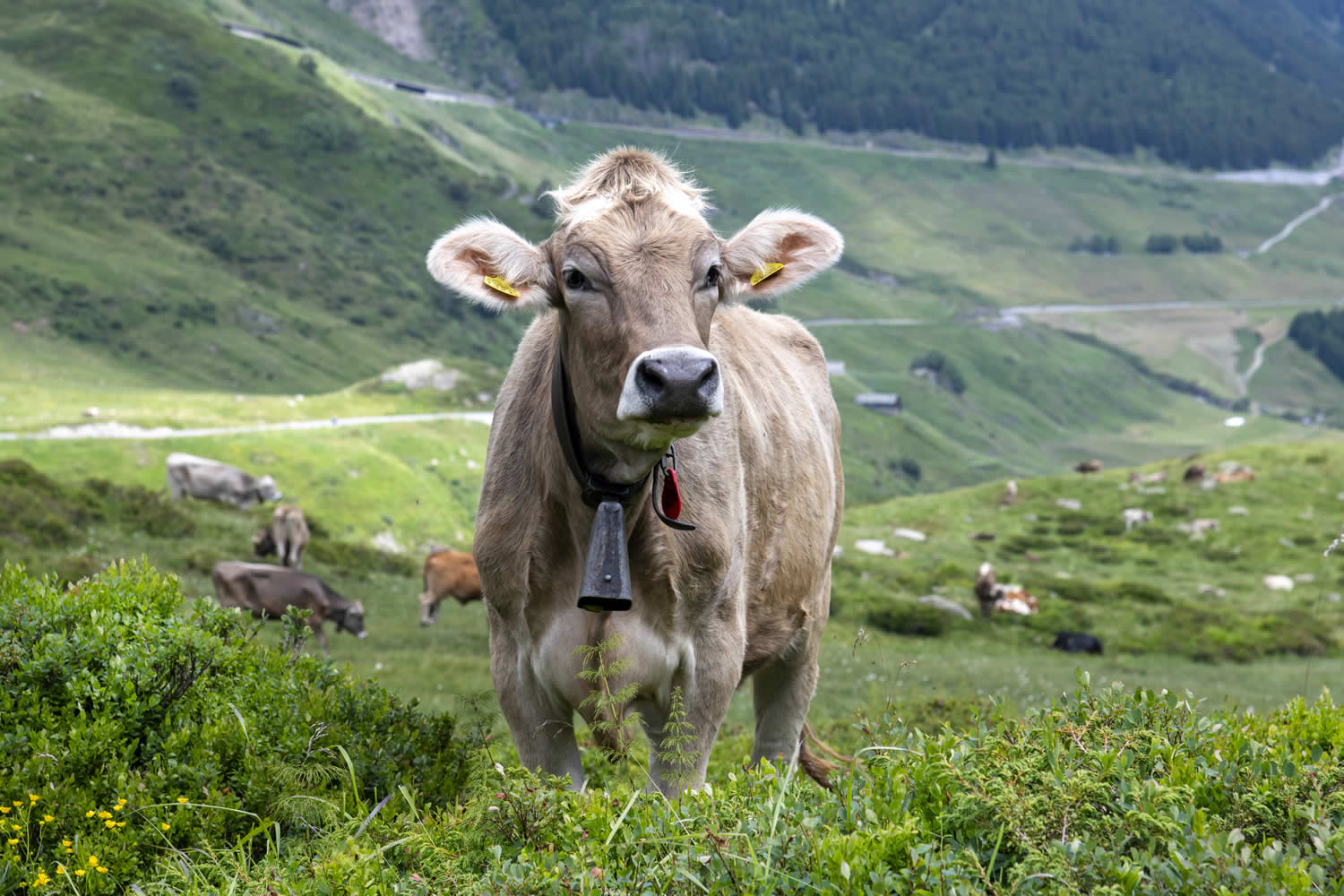
We are excited to invite you to the “Mountain Grassland and Livestock Joint Conference”. Exchange on mountain farming, share your knowledge, develop new ideas and get in contact with well-known and new colleagues in the fields of mountain grasslands and livestock research. Participants can look forward to engaging presentations, Swiss specialties (not only cheese and chocolate, but also a great social dinner) and an enriching excursion in breathtaking landscapes. Join us to connect with experts, explore innovative solutions, and contribute to the sustainable future of mountain ecosystems.
organized by
sponsored by






Evolution, prospectives and challenges of cattle farms in mountainous areas – case study France
Using Genetic Monitoring for Evidence-Based Management of Large Carnivores in the Alps
Challenges of grassland farming in mountain areas
Pastoralism in the Asian steppe
Pastoralism in temperate and boreal regions of the southern hemisphere
Pastoralism in (semi-)arid zones of Africa
15-17th June 2026 in Landquart, Switzerland
18:00 Registration desk open
09:30 Welcome coffee
10:00 Welcome spechees
11:00 Session 1 – Mountain grasslands and livestock in the context of climate change (Part 1)
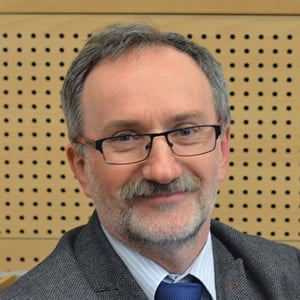
Keynote: Challenges of grassland farming in mountain areas – Giovanni Peratoner (Laimburg Research Center)
Theater presentations
12:00 Lunch
13:30 Session 1 – Mountain grasslands and livestock in the context of climate change (Part 2)
Theater presentations
14:45 Flash talks
15:10 Organizational information
15:15 Coffee break + Poster session 1
16:15 Session 2 – Site-adapted animals and management to enhance ecosystem services
Theater presentations
17:30 Session 3 – Pastoralism worldwideLena Michler – International Takhi Group (ITG) – Pastoralism in the Asian steppe
Cristian Moreno Garcia (Lincoln University) – Pastoralism in temperate and boreal regions of the southern hemisphere
Simon Taugourdeau (CIRAD) – Pastoralism in arid and semi-arid zones of Africa
19:30 Dinner
08:30 Session 4 – You never walk alone: land-use conflicts or coexistence?
Keynote: Tomaz Skrbinsek (University of Ljubljana) – Using Genetic Monitoring for Evidence-Based Management of Large Carnivores in the Alps
Theater presentations
09:45 Flash talks
10:25 Coffee break + Poster session 2
11:40 Session 5 – Feeding livestock by mountain grassland
Theater presentations
12:55 Organizational information
13:00 Lunch to go
13:30 Excursions (more info here)
19:00 Social dinner
08:30 Keynote: Claire Mosnier (INRAE) – Evolution, prospectives and challenges of cattle farms in mountainous areas – case study France
09:00 Session 6 – Economy and social context of grassland-based livestock production
Theater presentations
09:00 Session 7 – New ways to maintain the heritage of grassland and livestock
Theater presentations
10:00 Coffee
10:30 Session 8 – From pasture to plate: product quality along the production chain
Theater presentations
10:30 Session 9 – Bits and pixels: software and sensors for grassland-based livestock systems
Theater presentations
12:00 Lunch
13:30 Session 10 – Shrubs and trees: friends or foes of mountain grasslands?
Theater presentations
14:15 Poster award + closing
15:00 Optional visit research barn of Plantahof
Plantahof, Landquart, Switzerland – Kantonsstrasse 17, 7302 Landquart, Switzerland
The conference will take place in Landquart, a small city surrounded by the scenic mountains of the Eastern Swiss Alps. The region around Landquart is a great local recreation area that promises a variety of nature experiences: not only high mountains with a long alpine farming tradition, but also vineyards with excellent wines and fine hiking trails. Thanks to good transport links, the region’s world-famous spa and sports resorts are also easily accessible. The venue – Plantahof – is a newly renovated stately building from the early 19th century, which today houses the agricultural school of the Canton of Grisons.
To provide the best experiences, we use technologies such as cookies to store and/or access information on the device. Consent to these technologies will allow us to process data such as browsing behavior or unique IDs on this site. Not consenting or withdrawing consent may negatively affect some features and functions.

Claire Mosnier is an agroeconomist at the INRAE research institute who works to improve the sustainability of livestock farming systems. She develops mathematical programming and evaluation models to study the consequences of farmers’ decisions, particularly agroecological practices, on production, income, and the environment. She has participated in several regional and international research projects on climate change mitigation and adaptation, mixed farming systems, and feed food competition. She currently leads the STARQ research team at the Herbivore UMR and the Teracline joint technology unit (climate neutrality in beef and sheep farming territories).”
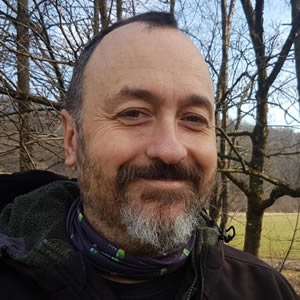
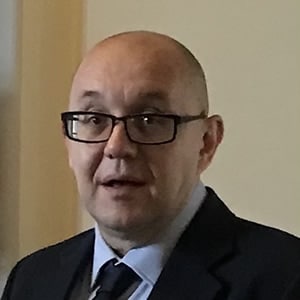
Lena Michler is a socio-ecological researcher who studies semi-arid and arid rangeland ecosystems. Her studies focus on the interactions between pastoralist communities, livestock and wildlife, particularly in protected areas. In her doctoral thesis, she investigated adaptation strategies to ecological and socio-economic changes among herders in the Dzungarian Gobi Desert in Mongolia. In addition to her research activities, Lena Michler is the managing director of the International Takhi Group (ITG), a nature conservation organisation, thus combining her scientific work with practical conservation efforts.

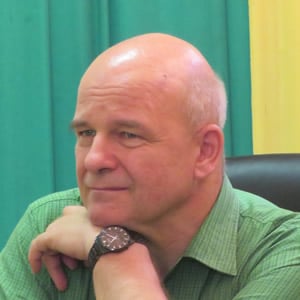
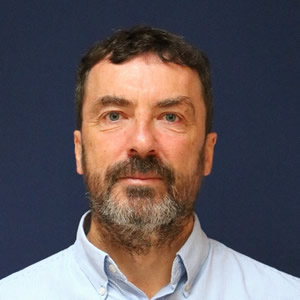
Cristian Moreno Garcia is an Associated Professional in Rangeland Management with research and work experience in grazing lands of Argentina, Germany, New Zealand, South Africa, Switzerland and the United States. He applied the plant functional trait approach to investigate the functional response of vegetation to cattle grazing with findings on resource-use strategies of plant communities. He developed a grazing personality model that links the genotypic variation with distinctive behaviors and grazing patterns of foragers; he found behavioral genetic associations with the home range and searching pattern of cattle in steep and rugged terrain. These scientific findings can be turned into practical tools for pastoralists worldwide.

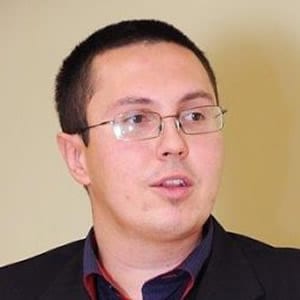
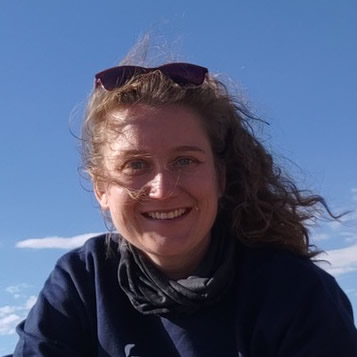
Simon Taugourdeau is a rangeland ecologist working at CIRAD (French Agricultural Research Centre for International Development). He has been based in Morocco since 2024 and was previously based in Senegal. He works within a multidisciplinary team on pastoralism.